🧬 COMPLETE GUIDE TO PEPTIDES
What Are Peptides?
Peptides are short chains of amino acids, which are the building blocks of proteins. In biological systems, they play a role in signaling, regulation, and cellular communication.
Researchers have been studying peptides for decades to better understand how they interact with different systems in the body, including metabolism, tissue structure, and neurological processes.
Unlike full proteins, peptides are smaller and may interact more directly with specific biological pathways, which is why they are widely explored in scientific and laboratory settings.
Why Are Peptides Being Studied?
Peptides are an active area of research due to their potential role in:
- Cellular signaling processes
- Tissue structure and repair mechanisms
- Metabolic regulation pathways
- Neurological and cognitive functions
- Hormonal communication systems
It’s important to note that much of this research is ongoing, and findings can vary depending on the specific compound and study design.

How Peptides Work (General Mechanism)
In simple terms, peptides act as messengers.
They bind to receptors on cells and signal the body to perform certain functions. These signals may influence:
- Enzyme activity
- Hormone release
- Cellular repair cycles
- Immune responses
Different peptides interact with different receptors, which is why they are studied across multiple scientific fields.
Categories of Peptides Being Explored

01
Tissue & Structural Research
These peptides are studied for their interaction with:
- Collagen production pathways
- Blood vessel formation (angiogenesis)
- Cellular repair signaling
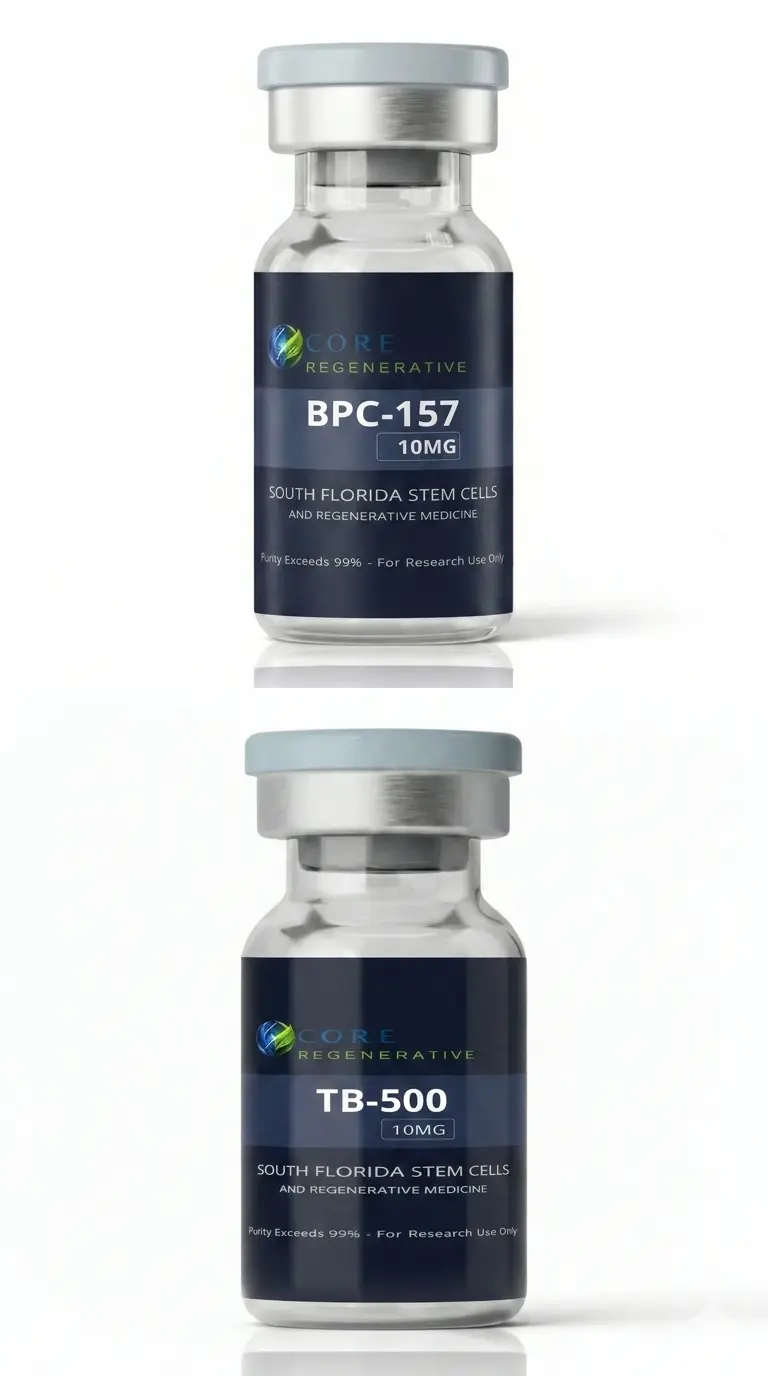
Explore compounds like
BPC-157, TB-500, and related research peptides
02
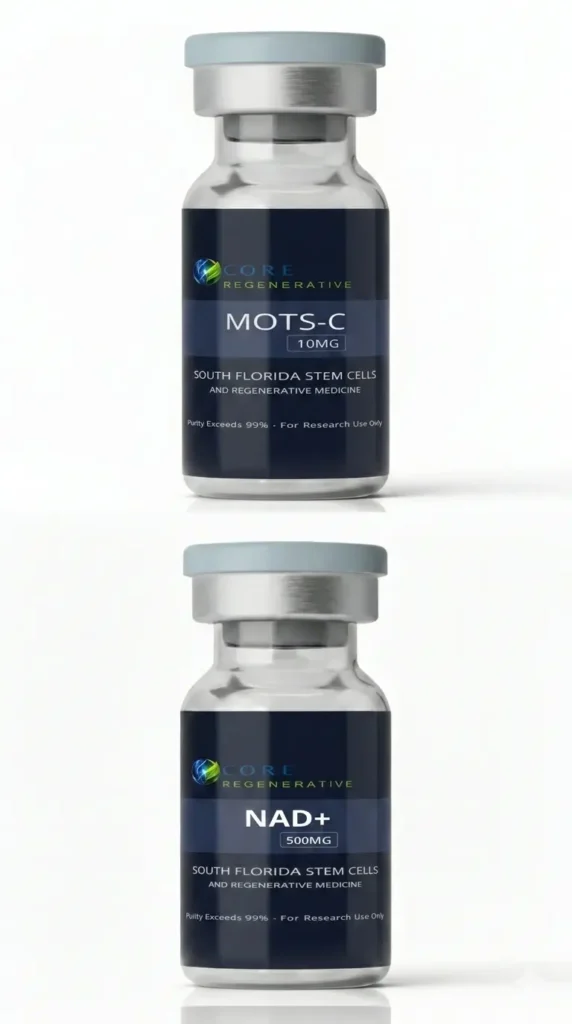
Metabolic & Energy Research
Some peptides are being studied for their role in:
- Glucose metabolism
- Insulin signaling
- Energy regulation pathways
👉 Learn more about
MOTS-c, NAD+ related compounds, and metabolic peptides


03
Skin & Cellular Health Research
This area focuses on:
- Skin structure proteins (collagen, elastin)
- Oxidative stress response
- Cellular regeneration mechanisms
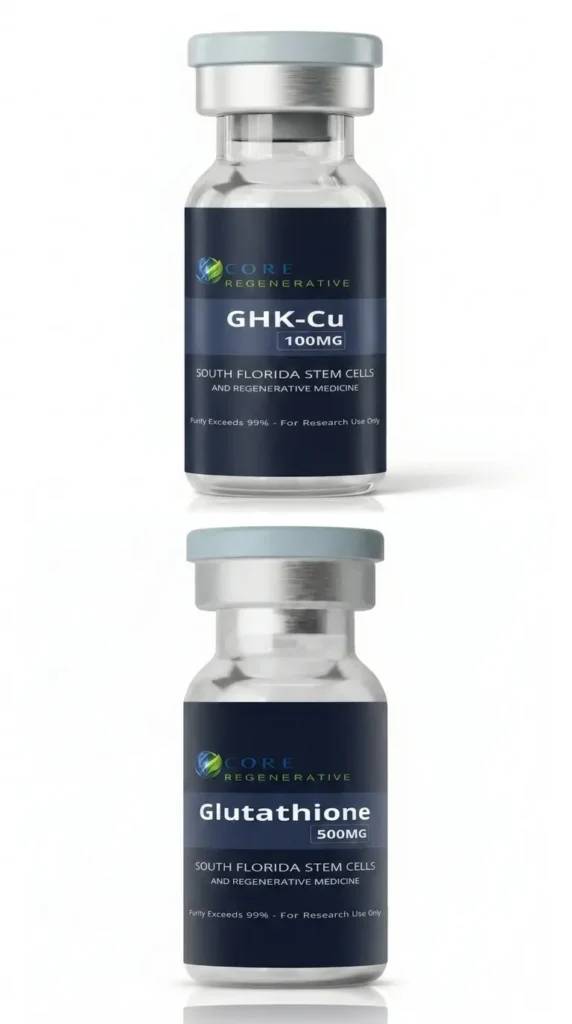
👉 Research includes compounds like
GHK-Cu, Glutathione, and specialized blends
04
Hormonal & Signaling Research
Peptides in this category are explored for their influence on:
- Endocrine signaling pathways
- Growth-related mechanisms
- Reproductive hormone interactions
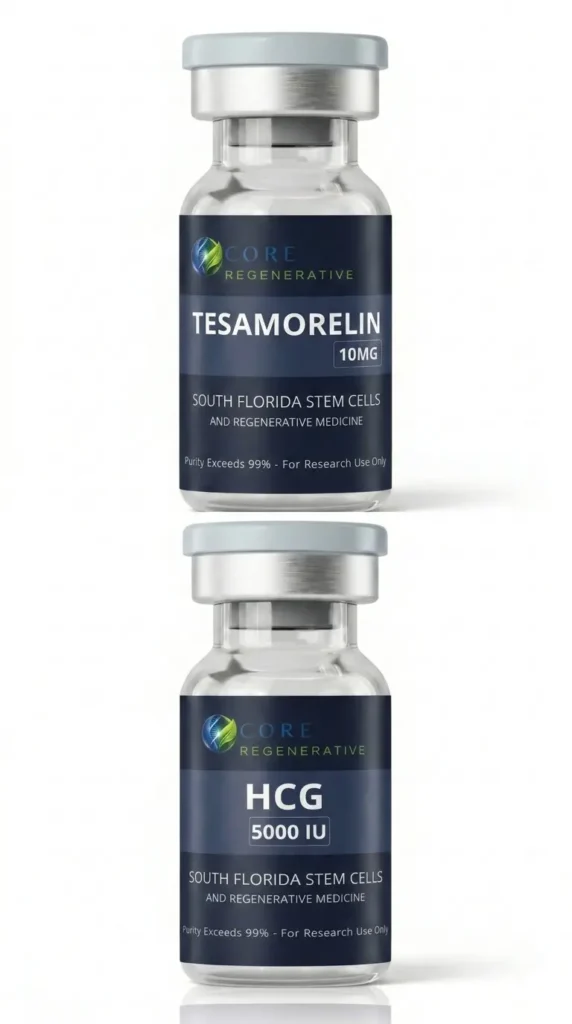
👉 Includes compounds such as
Tesamorelin, HCG-related compounds, and similar agents


05
Neurological & Cognitive Research
Some peptides are being studied in relation to:
- Neurotransmitter activity
- Stress response systems
- Cognitive signaling pathways
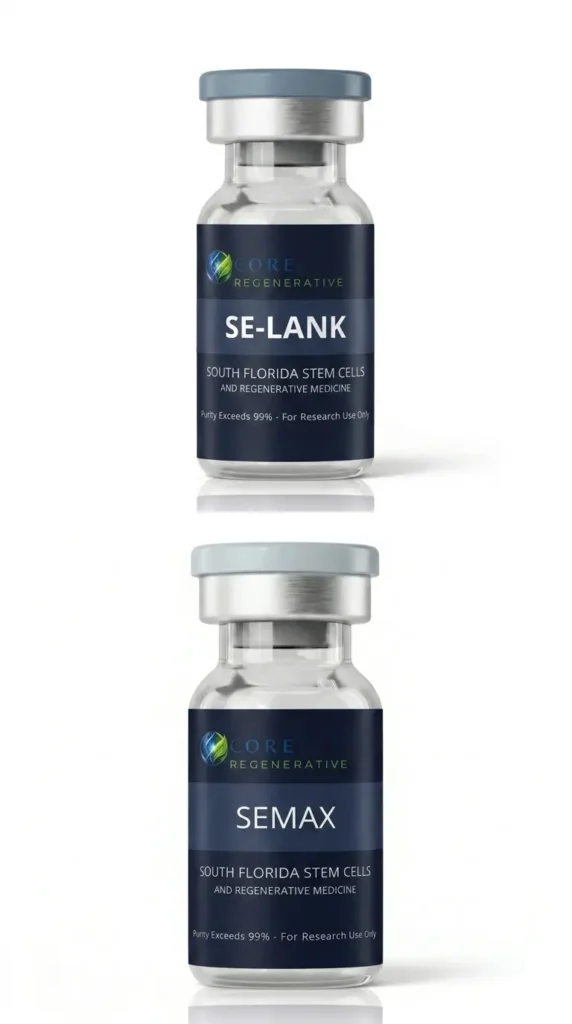
👉 Examples include
Selank, Semax, and related compounds
Important Considerations in Peptide Research
While peptides are widely studied, there are several important points to understand:
- Research is often conducted in controlled laboratory or clinical environments
- Not all compounds have extensive human data
- Regulatory status varies by compound and region
- Results seen in studies may not translate directly to real-world outcomes
Because of this, peptides are typically discussed within the context of scientific exploration rather than guaranteed outcomes.
Understanding Research Terminology
When reading about peptides, you may come across terms like:
- Preclinical studies – Early-stage research (often lab or animal studies)
- Clinical trials – Human-based studies with controlled conditions
- Mechanism of action – How a compound interacts at the cellular level
- Bioavailability – How a compound is absorbed and used
Understanding these terms helps interpret information more accurately.
How to Explore Peptides Responsibly
If you’re learning about peptides, it’s helpful to:
- Focus on verified scientific sources
- Understand the difference between research and approved use
- Be aware of regulatory guidelines in your region
- Avoid relying on exaggerated or unsupported claims
Table of Contents
Final Thoughts
Peptides represent a growing field of scientific interest, with ongoing research exploring their interaction with biological systems.
As more studies emerge, understanding their mechanisms and applications continues to evolve. For now, they remain an important subject in research and scientific discussion.
Disclaimer
This content is for informational and educational purposes only. It is not intended to diagnose, treat, cure, or prevent any disease. The compounds referenced are discussed in the context of research and scientific study. Regulatory status may vary by region.
Best selling items
Combo Bundle for Men
$80.00 – $160.00Price range: $80.00 through $160.00Anti-Aging & Skin Health Bundle
$60.00 – $150.00Price range: $60.00 through $150.00SE‑LANK (Selank Peptide)
$130.00Original price was: $130.00.$99.00Current price is: $99.00.